



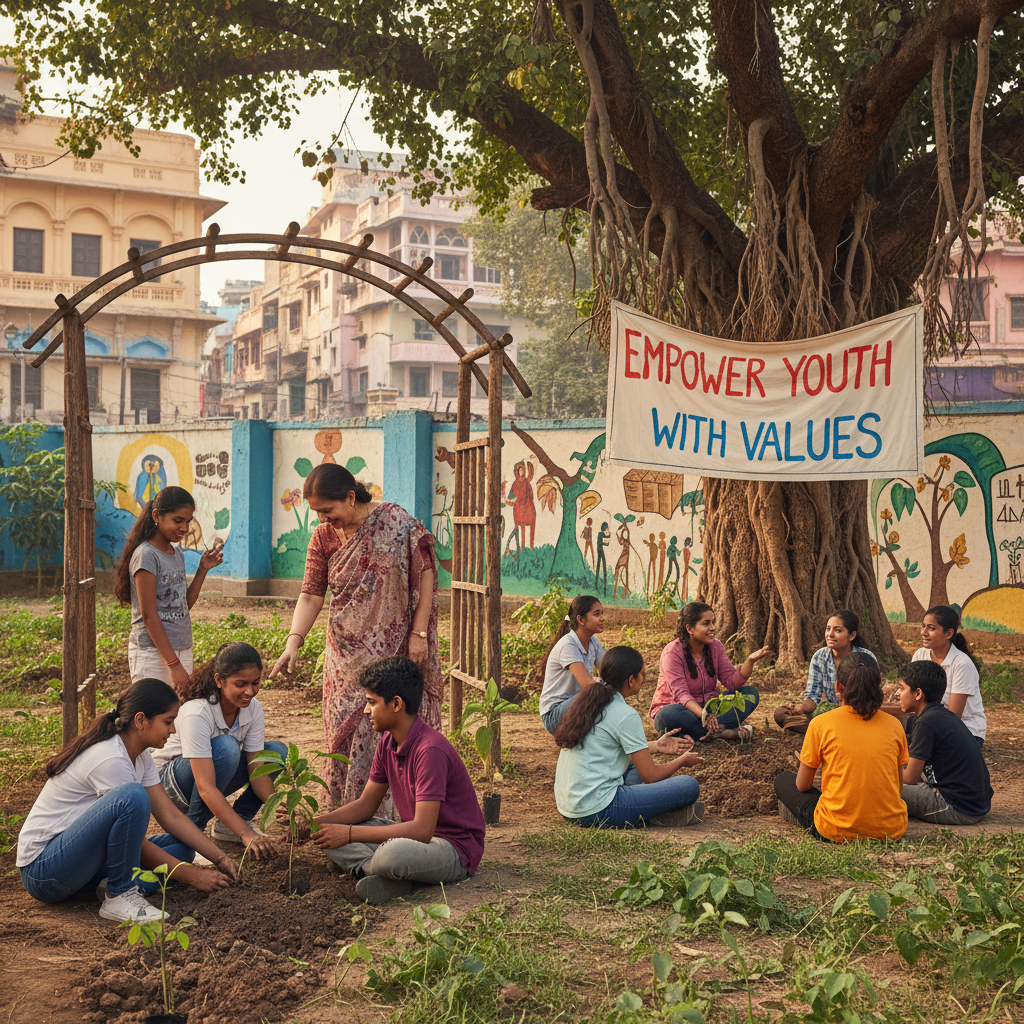
Empower youth with values from the start of their journey, and you plant seeds for a more compassionate, aware generation. In today’s complex world, guiding young minds with strong principles matters more than ever. In this blog, we explore how values-based youth programs can shape character, community, and future leaders. To learn how such initiatives are successfully implemented, visit jjfindia, an inspiring platform dedicated to nurturing youth through service, ethics, and lifelong values.
Table of Contents
Why Values Matter for Youth
Young people face many influences, social media, peer pressure, and rapid change. Without a moral compass, they can drift. Values-based youth programs help anchor them. When youth learn empathy, honesty, service, non-violence, and respect, they gain tools to navigate life with integrity. Empowering youth with values means more than instruction: it requires modeling, supporting, and reinforcing these values in daily life.
On jjfindia, you can see how initiatives like the Young Jains offer workshops and activities based on compassion, mindfulness, and non-violence for youth across Indian communities.
Principles of Strong Values-Based Youth Programs
To truly empower youth with values, a program should rest on several guiding principles:
- Authenticity: Values must be genuine, not mere slogans. Youth sense hypocrisy.
- Participation: Youth should co-create the program, not just receive it.
- Experiential learning: Activities, service projects, and role play help internalise values.
- Mentorship and role models: Seeing adults live the values matters.
- Continuity: One-off sessions don’t suffice, sustained engagement is key.
- Reflection and dialogue: Space for questions, doubts, and honest discussion.
- Integration: One-off integrated into many aspects, not just in a “values class.”
- Feedback and adaptation: Evolve the program based on experience.
- Cultural and contextual relevance: Values expressed in ways fitting local culture.
- Measurement and stories: Track impact, share stories to motivate others.
How Empower Youth With Values Programs Make a Difference
Here are tangible benefits of well-run, values-based youth programs:
- Increased empathy and social responsibility
- Stronger resilience and capacity to resist negative peer pressure
- Better decision-making, grounded in ethics
- Enhanced self-esteem and sense of purpose
- Improved community cohesion and volunteerism
- Leadership that values service, not just ambition
Evidence from jjfindia shows that the Young Jains and related activities have empowered youth with Jain values such as compassion, mindfulness, and non-violence. Their success stories show how youth shift from abstract ideas to daily practice.
10 Pro Tips to Launch or Improve Empower youth with values
1. Start with listening sessions.
Gather youth voices first. Ask: “Which values matter to you? Where do you struggle?” Use their input to co-design content that feels relevant. When youth help build the program, they feel ownership and take values more seriously. Listening first ensures the activities truly connect to real-life experiences and needs.
2. Use stories and examples.
Bring values alive through real-life stories from local heroes, community elders, or historical figures. Let youth share personal moments when they stood up for honesty or compassion. Stories make values relatable, emotional, and easy to remember. They turn moral lessons into living examples that inspire reflection and action.
3. Blend theory and practice.
After every discussion, follow with a hands-on project such as volunteering, creating art, or leading a debate. This method allows values to move from theory into tangible action. It shows that values like teamwork and service aren’t abstract ideas but real habits we can practice daily in meaningful ways.
4. Create peer-led initiatives.
Train young ambassadors who can lead smaller teams or activities. Youth learn best when guided by peers who speak their language and share their energy. This builds leadership, empathy, and collaboration. Peer-led initiatives turn values into a community movement rather than a top-down teaching approach, making them more impactful.
5. Design reflection circles.
After each session, gather participants to reflect on what they learned and how they felt. Encourage open sharing without judgment. Reflection helps youth process values deeply, identify personal growth, and set intentions for future behavior. It also strengthens emotional intelligence and a supportive environment within the program community.
6. Integrate values across all programming.
Whether it’s sports, arts, or academics, weave discussions of respect, honesty, and fairness naturally into activities. For example, talk about teamwork during sports or creativity with integrity in art. Integration makes values part of daily life rather than a separate topic, reinforcing them through practical and enjoyable experiences.
7. Mentorship pairing.
Pair young participants with mentors who genuinely live the values. Mentorship gives youth consistent guidance, real-world examples, and emotional support. A “buddy system” creates accountability and belonging. Mentors model ethical behavior, showing that living by values leads to strength, purpose, and trust, not weakness or restriction in life.
8. Set small, measurable goals.
Encourage participants to create small, achievable goals like “help one classmate weekly” or “speak kindly in every conversation.” Track progress and celebrate improvements. Small steps make big change feel possible. Recognising achievements keeps motivation alive and reminds youth that living by values is a daily, rewarding practice.
9. Encourage public sharing.
Invite youth to express their learning through blogs, social media, or short community talks. Public sharing builds confidence, accountability, and inspiration for others. It transforms private learning into a social impact. As stories spread, more young people become interested in joining values-based youth programs to grow together.
10. Evaluate and adapt.
Use surveys, interviews, and feedback sessions to understand what’s effective and what needs change. Programs evolve as youth evolve. Evaluation ensures continued relevance and impact. Keep the process transparent, involving youth in reviewing progress. Adaptation shows flexibility, respect for feedback, and a real commitment to continuous improvement.
FAQs
1. How can I empower youth with values if I have very limited resources?
Start with what you already have, community spaces, volunteers, or online groups. Hold small reflection circles or story-sharing sessions, taking inspiration from initiatives at jjfindia. Consistency and sincerity matter more than materials. When youth see commitment, they follow.
2. What makes a youth program “values-based” rather than just skill-based?
A values-based program focuses on inner growth, ethics, and empathy instead of only external achievements. It connects every skill to a guiding value like honesty or compassion. The goal is to shape character alongside ability, helping youth learn not just “how to do” but “why to do” things right.
3. How often should a values-based youth program meet or engage participants?
Consistency is vital for long-term impact. Weekly or biweekly sessions work best, but small touchpoints in between keep momentum alive. You can use online check-ins or small group discussions. Regular engagement helps internalise values and builds a sense of belonging and trust among participants and mentors.
4. How do I measure the success of a values-based youth program?
Success is seen in behavioral change, empathy, and community engagement. Use interviews, observation, and self-reflection forms to capture progress. Ask youth to share real-life examples where they practiced a value. Tracking these stories gives a clearer picture than numbers alone and motivates ongoing participation and growth.
5. What challenges may arise when trying to promote values among youth?
Some youth may view moral topics as boring or preachy. Peer influence and cultural differences can create resistance. Limited time, funds, and mentor availability also affect consistency. Overcome these challenges by making values-based youth programs fun, interactive, and relatable, linking values to real-life situations they truly care about.
Conclusion
In summary, to empower youth with values, fostering their growth requires intention, authenticity, sustained engagement, and well-designed programs. Start by listening to youth, co-creating learning experiences, embedding action, and offering mentorship. When you do this, youth carry forward integrity, service, empathy, and resilience. Let initiatives at jjfindia inspire you, they work at the grassroots level in India to nurture ethical learning and youth development.
