



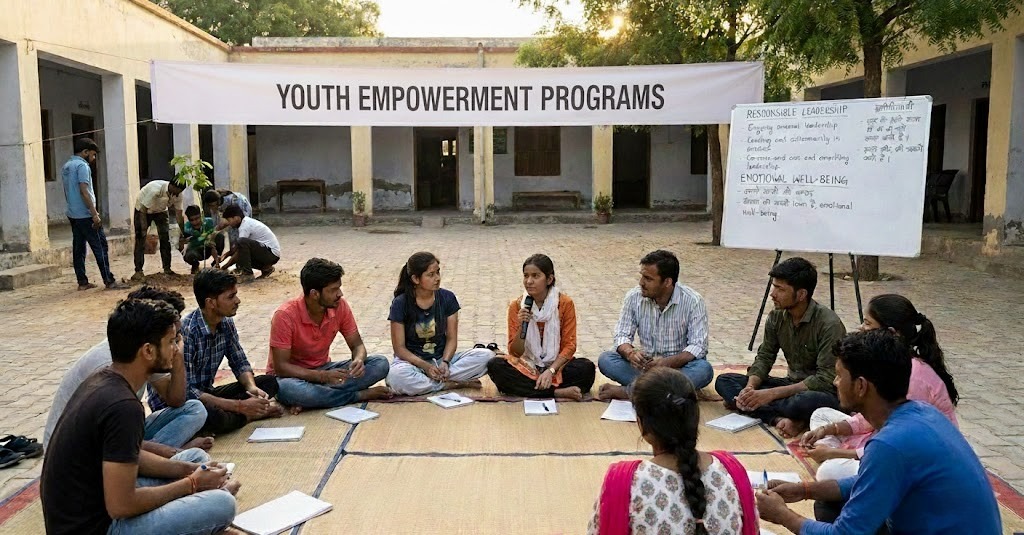
Youth empowerment programs create pathways for young people to grow with purpose, confidence, and responsibility. Across communities, these efforts focus on education, emotional balance, and social responsibility, while integrating mental health support so that youth can contribute positively to society. Drawing only from the community-driven approach shared by JJFIndia, this blog explains how empowerment initiatives nurture responsible leadership while strengthening emotional well-being at every stage of growth.
Table of Contents
Understanding the foundation of youth development
Empowerment begins when young people feel heard, guided, and valued. Community-based learning, awareness sessions, and safe environments help youth understand their role in society. These spaces also encourage open conversations around mental health support, helping individuals manage stress, build self-trust, and develop empathy for others. When youth feel secure, they participate more actively in family and community life.
Why youth empowerment programs matter for long-term well-being
A strong society depends on confident and informed young citizens. Empowerment initiatives focus on skill building, awareness, and ethical decision-making. Alongside education, they emphasize mental health support as a core pillar of growth. Emotional balance helps youth handle pressure, reduce fear, and make thoughtful choices. This balanced approach leads to resilience and positive social behavior over time.
Community-driven learning and emotional care
Community involvement is essential for sustainable change. Awareness workshops, peer discussions, and mentorship programs bring youth together to learn collectively. These efforts normalize conversations around feelings and challenges, ensuring emotional well-being is openly discussed. According to the principles highlighted by JJFIndia, community education builds trust and shared responsibility, which directly benefits young minds.
Role of families and local groups
Families and local groups play a vital role in guiding youth. Simple habits such as listening without judgment and encouraging curiosity strengthen emotional bonds. When families promote mental health support, youth feel safe seeking help and guidance. Community groups supported by JJFIndia focus on dignity, awareness, and practical learning, helping families create stable environments for growth.
Linking empowerment with emotional resilience
Empowerment is not only about skills but also about emotional strength. Teaching youth how to manage setbacks, communicate openly, and respect boundaries improves self-awareness. Access to guidance and early care ensures that challenges are addressed thoughtfully, preventing long-term stress. This balanced development prepares youth to face future responsibilities with clarity and confidence.
Youth empowerment programs and community well-being
This approach connects personal growth with collective well-being. When youth are informed and emotionally balanced, communities become safer and more supportive. Initiatives guided by JJFIndia emphasize learning through action, responsibility, and compassion. These values encourage youth to care for themselves and others while contributing meaningfully to society.
10 Pro Tips for empowering youth effectively through youth empowerment programs
- Create safe spaces where young people feel comfortable sharing thoughts and concerns openly, knowing they will be heard with respect, patience, and understanding rather than criticism or judgment.
- Encourage regular conversations about emotions and daily stress so youth can express feelings early, reduce emotional pressure, and develop healthy habits for managing challenges in school, family, and social settings.
- Integrate life skills education with mental health support practices to help young people learn problem-solving, communication, and emotional control while building resilience for real situations.
- Promote peer learning activities that encourage teamwork, shared responsibility, and confidence, allowing youth to learn from each other’s experiences and build trust through positive group interactions.
- Involve families in awareness sessions and workshops so parents and caregivers understand youth needs better and provide consistent emotional guidance at home and within the community.
- Share simple and practical coping techniques for everyday challenges, such as managing stress, staying calm under pressure, and balancing responsibilities without feeling overwhelmed.
- Support community programs aligned with values shared by JJFIndia that focus on awareness, responsibility, and dignity, helping youth grow through meaningful participation and collective learning.
- Recognize small achievements regularly to boost self-belief and motivation, helping young people understand that progress matters and effort is valued even in small steps.
- Teach responsibility by encouraging participation in local initiatives, allowing youth to contribute positively while learning accountability, teamwork, and respect for shared community goals.
- Maintain consistency in guidance and emotional care so young people feel secure, supported, and confident knowing they have reliable direction during both successes and difficult moments.
FAQs
1. What impact do youth empowerment programs have on emotional growth?
They help young people understand their emotions in a healthy way and respond calmly to challenges. By encouraging open conversations and guidance, youth learn how to manage stress and uncertainty. These programs also reduce fear around asking for help when needed. Over time, this leads to better confidence and emotional balance.
2. How does community involvement benefit young people?
Community involvement creates a sense of belonging and shared responsibility among youth. When young people participate in group activities, they feel valued and supported. This interaction helps them build communication skills and trust. As a result, they become more confident and socially aware.
3. Why is emotional awareness important during youth?
Emotional awareness helps young people recognize their feelings before stress becomes overwhelming. It allows them to express concerns clearly and seek guidance early. This understanding improves relationships with family and peers. Emotional awareness also supports better decision-making in daily life.
4. What role do families play in youth development?
Families provide stability, guidance, and emotional safety for young people. When parents and caregivers listen without judgment, youth feel secure and understood. This supportive environment encourages positive behavior and growth. Strong family involvement reinforces values learned in the community.
5. How can consistent guidance shape future leaders?
Consistent guidance teaches youth responsibility and accountability over time. It helps them develop discipline and respect for others while reinforcing mental health support as a foundation for emotional resilience. With regular support, young people learn to handle challenges thoughtfully and maintain balance.
5. How can consistent guidance shape future leaders?
Consistent guidance teaches youth responsibility and accountability over time. It helps them develop discipline and respect for others while reinforcing mental health support as a foundation for emotional resilience. With regular support, young people learn to handle challenges thoughtfully and maintain balance.
Conclusion
Empowering young people requires a thoughtful balance of education, community involvement, and emotional care. Youth empowerment programs play a vital role by focusing on awareness, responsibility, and emotional balance, helping societies nurture confident and compassionate individuals. The community-centered approach shared by JJFIndia highlights how collective efforts create lasting impact. When youth grow with guidance and emotional balance, they shape a healthier and more resilient future for everyone.
