


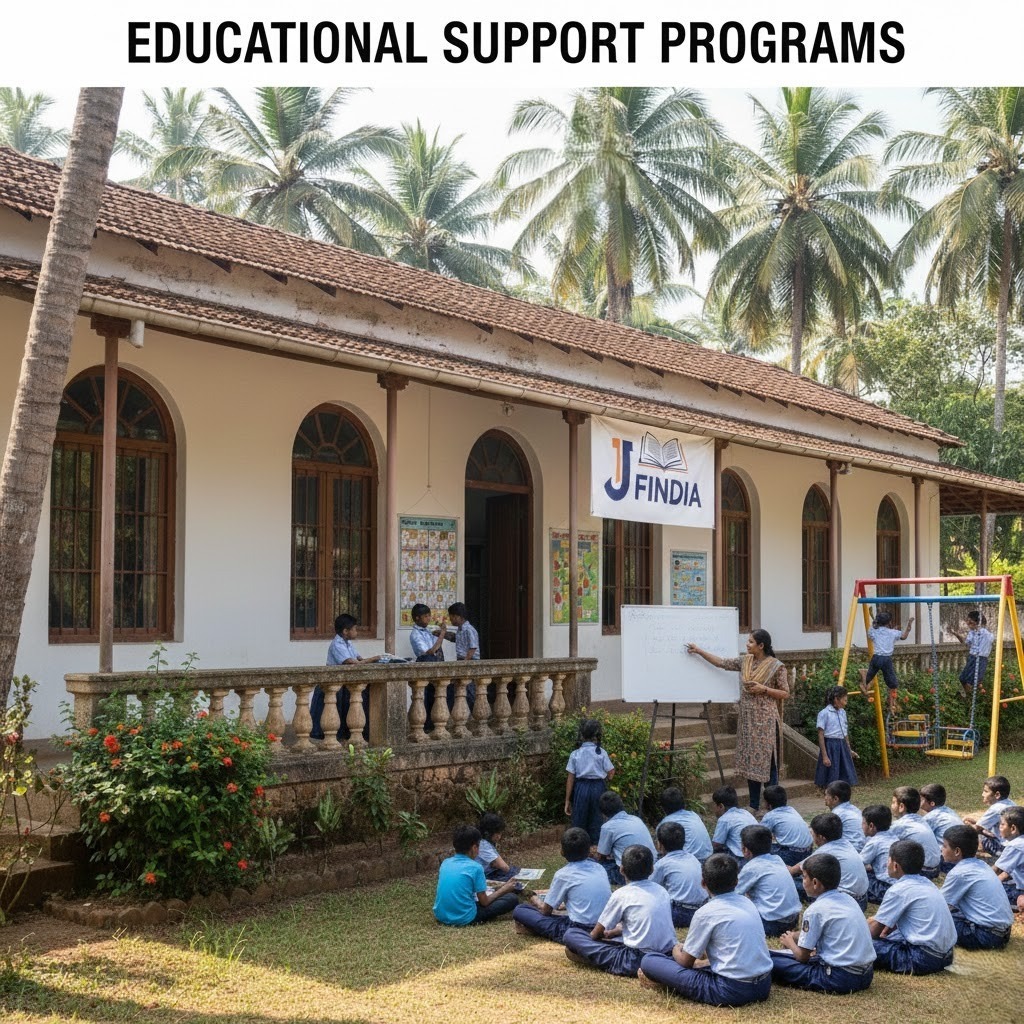
Educational support programs are becoming essential in a world where many learners still struggle to access quality education. These initiatives focus on removing learning barriers, supporting students from diverse backgrounds, and strengthening communities through knowledge. Education shapes confidence, skills, and future opportunities, making structured support a powerful driver of social change. Across India, the demand for inclusive learning solutions continues to rise. Families seek free learning access that does not compromise quality, while communities want systems that nurture curiosity and growth. JJFIndia works toward this vision by connecting people, resources, and purpose to improve educational outcomes.
Table of Contents
Educational Support Programs and Their Role in Social Growth
They help learners overcome financial, social, and academic challenges by offering guidance, materials, and mentorship. The focus often includes foundational literacy, digital skills, and personal development. When structured well, they empower students to stay engaged and motivated.
A major strength of these initiatives is free learning access, which ensures that cost does not become a barrier. Access to learning tools, tutoring, and community guidance allows students to progress at their own pace. This inclusive approach creates long-term benefits not only for individuals but also for society as a whole.
Why Access to Learning Matters for Communities
Communities thrive when education is shared widely and fairly. Such initiatives strengthen social bonds by encouraging collaboration between educators, volunteers, and learners. They build trust and promote a culture where learning is valued.
By focusing on free learning access, communities ensure that children and adults can continue learning regardless of income. This approach improves employability, confidence, and civic engagement. Over time, educated communities are better equipped to solve local challenges and support sustainable growth.
How JJF India Supports Education and Volunteering
JJFIndia plays an active role in promoting learning through meaningful service. It bridges the gap between NGOs needing volunteers and individuals seeking meaningful opportunities. Volunteers can browse tasks, apply, and earn points and certificates for their contributions. The initiative aims to expand volunteering impact across India, making service accessible and rewarding.
Through educational support programs, JJF India encourages volunteers to share skills, mentor learners, and support knowledge-driven projects. Its model emphasizes reaching those who need educational initiatives the most. This approach creates a positive cycle of learning, service, and social impact.
Key Benefits of Structured Educational Initiatives
Well-designed initiatives offer clarity and consistency to learners by providing structured paths that help students track progress and set achievable goals. Guidance from trained volunteers improves understanding, builds confidence.
Another benefit is free learning access, which allows learners to explore subjects without financial stress. When education feels welcoming and supportive, learners are more likely to stay committed. Over time, these programs help reduce inequality and promote lifelong learning habits.
10 Pro Tips to Strengthen Educational Support Programs
- Clearly define learning goals so participants understand expected outcomes, stay focused, and feel confident about their educational journey.
- Encourage community involvement to build trust, shared responsibility, and stronger relationships that support learners both inside and outside learning spaces.
- Use simple teaching methods that adapt to different learning styles, making lessons easier to understand and more engaging for everyone.
- Promote free learning access by sharing resources openly, ensuring learners can continue studying without financial pressure or unnecessary limitations.
- Provide regular feedback to help learners stay motivated, recognize progress, and understand areas where they can improve steadily.
- JJFIndia helps train volunteers with basic teaching and communication skills so they can guide learners effectively and respond to individual needs.
- Track progress with simple assessments and reflections to measure understanding, encourage self-awareness, and adjust learning approaches when needed.
- Integrate real-life examples to make lessons relatable, practical, and easier for learners to connect with everyday experiences.
- Maintain consistency through scheduled sessions and follow-ups, helping learners develop discipline, routine, and long-term commitment to learning.
- Celebrate small achievements to build learner confidence, reinforce positive behavior, and encourage continued effort toward educational goals.
Challenges and Practical Solutions
Despite their benefits, these initiatives face challenges such as limited resources and varying learner needs. Addressing these issues requires flexibility, patience, and collaboration.
One solution is expanding learning opportunities through shared materials and digital tools. Partnering with volunteers and local groups also reduces pressure on limited resources. With thoughtful planning, challenges can become opportunities for innovation and growth.
Measuring Long-Term Impact
Tracking success involves more than numbers. It includes learner confidence, skill development, and community participation. Regular evaluation helps refine strategies and improve outcomes.
Sustained support ensures that progress continues beyond initial engagement. When learners experience consistent encouragement, they are more likely to pursue further education and contribute positively to society. JJFIndia supports this long-term vision by encouraging continued volunteer involvement.
FAQs
1. How do educational support programs help underserved learners?
They provide guidance, resources, and mentorship to learners who face social, financial, or academic barriers. The focus remains on building practical skills while improving confidence and self-belief. Community involvement strengthens trust and ensures consistent support. Over time, learners gain independence, motivation, and a stronger desire to continue learning.
2. Why is free learning important for social development?
Free learning removes cost barriers that often prevent people from participating in education. When learning is accessible, individuals feel encouraged to explore new skills and knowledge. Communities benefit from shared growth and stronger collaboration. Education gradually becomes a collective responsibility rather than a privilege.
3. How can volunteers contribute effectively to education initiatives?
Volunteers can contribute by sharing their skills and mentoring learners with patience and empathy. Clearly defined roles help volunteers stay focused and productive. Consistent involvement builds trust and creates meaningful relationships with students. Recognition of efforts keeps volunteers motivated and engaged.
4. What role does community engagement play in learning success?
Community engagement creates a supportive environment where learners feel encouraged and safe while promoting free learning access for all. Families, educators, and volunteers work together toward shared educational goals that remove barriers to participation. Learners feel valued, respected, and understood within this inclusive network. This collective effort leads to stronger and more lasting learning outcomes.
5. How can impact be sustained over time?
Sustaining impact requires regular evaluation to improve teaching methods and support systems. Ongoing access to learning resources ensures continuity for learners. Retaining committed volunteers adds stability and reliability. Through continued involvement with JJFIndia, learning becomes a lasting habit that benefits individuals and communities alike.
Conclusion
Educational support programs play a vital role in creating inclusive and empowered communities. By prioritizing guidance and collaboration, these initiatives help learners overcome barriers and achieve their full potential. JJFIndia demonstrates how structured volunteering and education-focused service can create meaningful change. When communities invest in learning together, they build a stronger, more hopeful future for everyone.
