



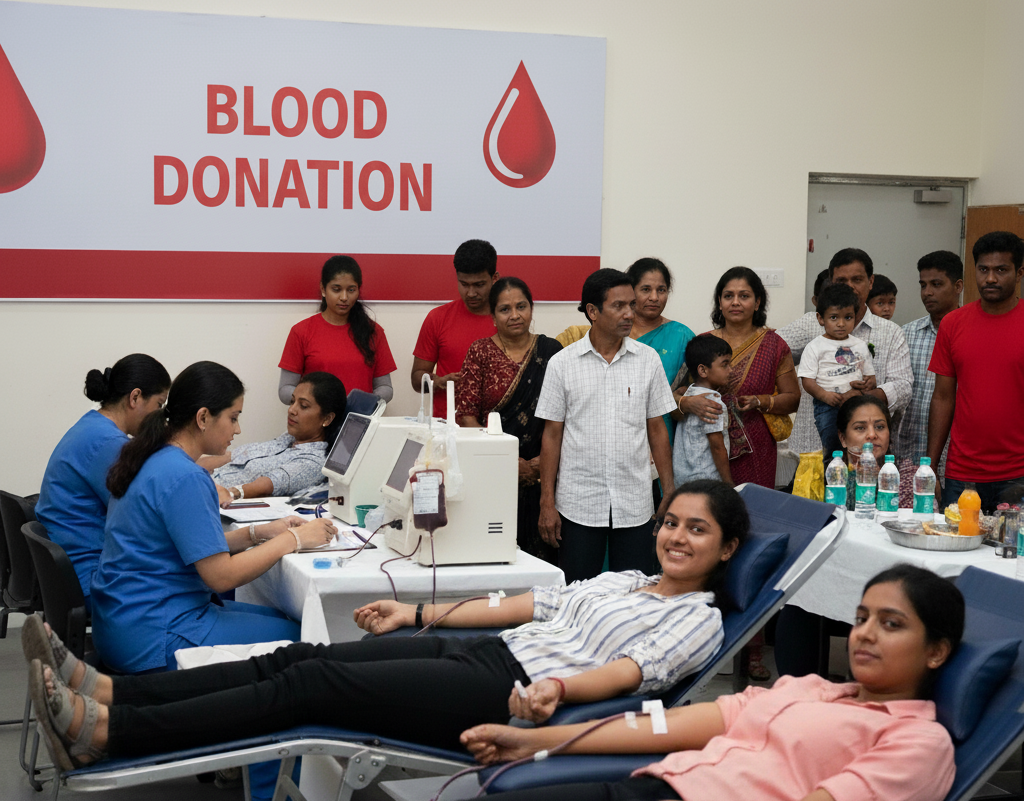
Blood and platelet donation support is one of the most impactful ways to save lives. Every second, patients in hospitals depend on the generosity of donors who step forward to donate blood and platelets. Whether it is for accident victims, cancer patients, or individuals undergoing surgeries, your contribution can mean the difference between life and death. JJFIndia make this process easier by connecting donors with those in urgent need.
Table of Contents
Why Is Blood and Platelet Donation Support Important?
- It ensures that patients in emergencies receive timely help.
- It supports cancer patients who rely on regular platelet transfusions.
- It reduces the burden on families searching for donors during critical times.
- It empowers communities to come together for a lifesaving cause.
- With JJFIndia, it becomes simple to register and respond quickly when needed.
How Can You Donate Blood and Platelets Safely?
Donating is a safe and monitored process. Trained professionals handle every step, ensuring both donor and recipient safety. Before you donate blood and platelets, your health is checked, and the equipment used is always sterile. JJF India guides you to trusted donation opportunities, so you never feel uncertain about where your efforts are going.
- Hydrate before donation – drinking water beforehand helps maintain blood pressure and makes the process smoother.
- Eat a healthy meal – having an iron-rich meal a few hours before donation keeps your energy levels stable.
- Follow post-donation care – rest for a few minutes, avoid heavy exercise, and have a light snack provided at the center.
- Donate regularly, not excessively – wait at least 3 months between whole blood donations and 2 weeks for platelet donations.
The Role of Communities in Donation Support
Communities that actively participate in blood and platelet donation support create stronger healthcare systems. When groups come together, hospitals and blood banks are better equipped to respond to emergencies. This not only saves lives but also builds compassion, trust, and unity among people. JJFIndia acts as the bridge between communities and patients, ensuring no one is left waiting in need.
10 Pro Tips for Effective Blood and Platelet Donation Support
1. Stay Informed About Eligibility
Know the requirements before you donate blood and platelets. Age, weight, travel history, and medical conditions can all affect eligibility. Staying updated ensures you don’t face last-minute rejection. It also makes the process smoother and safer for both you and the patient who is depending on your donation.
2. Register on Trusted Platforms
Join JJFIndia to be part of a reliable and verified donor network. Registration helps you respond faster when urgent requests arise, ensuring patients get timely support. Being listed also gives you reminders and updates, making it easier to donate consistently while reaching those who truly need help.
3. Keep Yourself Hydrated
Drink plenty of water before and after donating. Staying hydrated keeps your blood flowing smoothly and reduces the risk of unsteadiness. Proper hydration also helps replenish your body more quickly, making your donation experience safer and more comfortable while allowing you to recover with minimal stress.
4. Maintain a Healthy Diet
Eat a balanced diet rich in iron and vitamins. Foods like spinach, beans, lentils, eggs, and fruits strengthen your body and prepare it for donation. A strong nutritional foundation not only boosts your recovery but also ensures your blood and platelets are of the highest quality for patients in need.
5. Schedule Regular Donations
Instead of donating only once, commit to making it a habit. Set reminders on your phone or calendar to donate at regular intervals. Regular donors provide hospitals and patients with a consistent supply, helping communities stay prepared for emergencies rather than scrambling during critical situations.
6. Encourage Friends and Family
Bring your loved ones into the circle of donation. A single person donating is powerful, but encouraging five others creates an even bigger impact. Organise group donations or share your experience with family. Together, you can create a chain of lifesaving efforts that benefits many.
7. Track Your Donations
Keep a personal record of when you donated, how often, and how you felt afterward. Tracking helps you monitor recovery times and stay on schedule for your next appointment. This practice not only motivates you but also shows you the lasting impact you’ve made by donating regularly and consistently.
8. Prepare for Platelet Donations
Platelet donation takes longer than blood donation, usually about 90 minutes. Plan ahead by carrying a book, music, or simply using the time to relax. Preparing yourself makes the process more enjoyable. Knowing that your time is saving a patient’s life gives a deeper sense of fulfillment afterward.
9. Share Your Experience
After donating, share your journey online or offline. Post a short story, a picture, or simply talk to your circle. Your experience can inspire others to donate blood and platelets too. When people hear real stories, they feel more confident and motivated to take part in this noble cause.
10. Respond Quickly to Appeals
When urgent donation requests arrive through JJF India, act immediately. Patients may not have hours to wait. A quick response can be the difference between life and loss for a family. By staying alert and available, you become a trusted lifesaver when people need it most.
FAQs
1. What is the importance of blood and platelet donation support?
It ensures patients receive critical care on time. Many people face emergencies where delays can be fatal. With JJF India, donors can easily connect with families in need, offering hope and immediate assistance while reducing the emotional and financial burden during stressful medical situations.
2. How often can a person donate blood?
Most healthy individuals can safely donate blood once every three months. This allows your body enough time to rebuild red blood cells and stay healthy. Regular donations ensure a stable supply for patients while giving you the satisfaction of contributing consistently without affecting your personal well-being or lifestyle.
3. Is platelet donation more complicated than blood donation?
Platelet donation takes longer than blood donation, often about 90 minutes. The process uses an apheresis machine that separates platelets from your blood. While it requires more time, it is safe, painless, and especially valuable because platelets are in high demand for cancer patients and those with blood disorders.
4. What should I eat before donating?
Have a balanced meal with iron-rich foods such as beans, eggs, and green leafy vegetables. Avoid oily or fatty foods, as they can interfere with test results. Eating light but healthy keeps your energy levels steady, making your donation smoother and recovery faster, so you feel good afterward.
5. Can students and working professionals also contribute?
Yes, absolutely! Students and professionals often make excellent donors as long as they meet basic health requirements. Registering on JJFIndia makes it easy to respond to urgent calls even with busy schedules. By managing your time well, you can save lives while balancing studies or work.
Conclusion
Supporting blood and platelet donation is one of the simplest yet most powerful ways to save lives. By staying informed, eating healthy, and donating regularly, you make a lasting difference. JJFIndia makes the process easier and more reliable. Encouraging others multiplies your impact. Together, consistent blood and platelet donation support builds stronger, healthier communities for everyone.
