


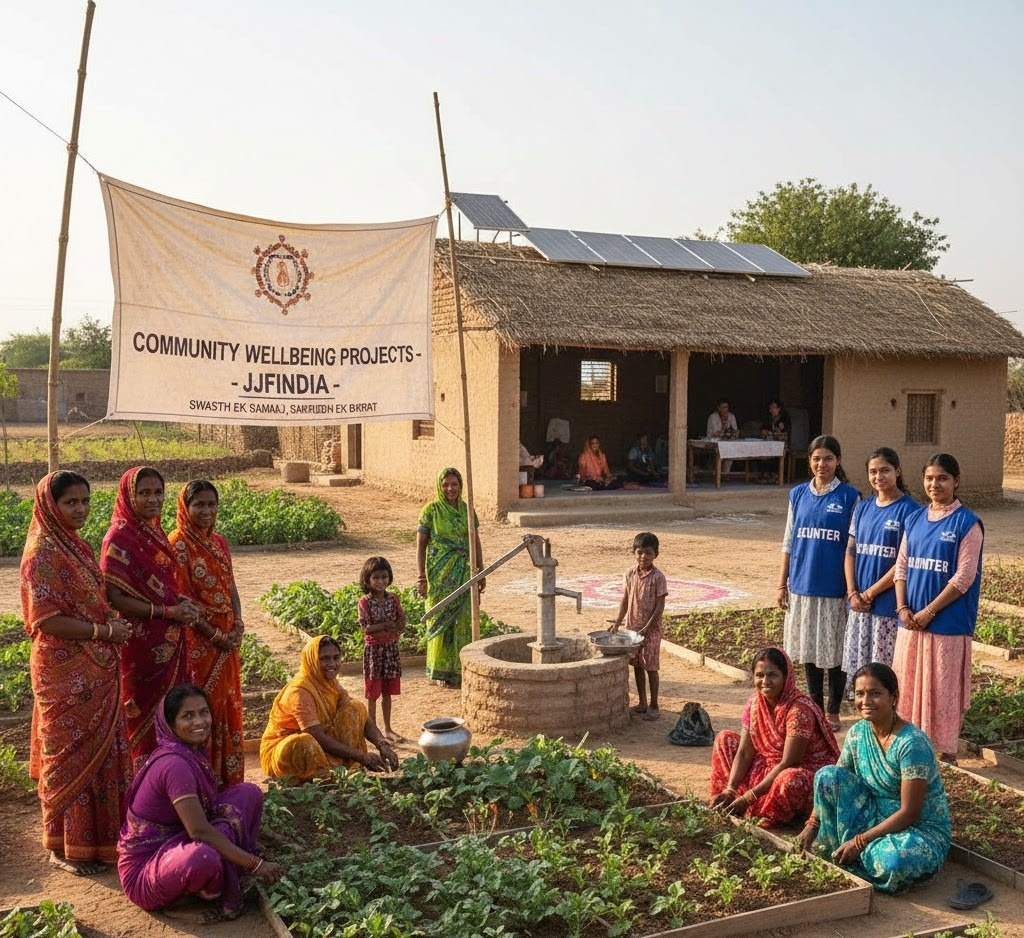
Community wellbeing projects are becoming essential for building healthier, more connected, and resilient societies across India. These initiatives focus on collective care, shared responsibility, and inclusive participation, helping communities respond to real needs while encouraging people to contribute meaningfully. With support from JJFIndia, local action is combined with structured volunteering to promote wellness and community growth in ways that are practical and long-lasting.
Table of Contents
Understanding the role of local initiatives
At their core, community wellbeing projects bring people together to improve quality of life at the local level. They address social, emotional, and practical challenges through organized efforts that invite participation from individuals, groups, and institutions. When communities work together, wellness and community growth become shared goals rather than individual efforts.
These initiatives encourage collaboration, accountability, and transparency. People are no longer passive observers of social issues. They actively contribute time and skills, which strengthens trust and mutual respect.
Why these initiatives matter today
Modern communities face challenges such as social isolation, uneven access to support, and limited engagement opportunities. JJFIndia helps bridge these gaps by providing structured ways for people to contribute and connect. When individuals feel involved, they develop a stronger sense of belonging and purpose.
Such efforts also promote development by creating safe spaces for learning, cooperation, and shared responsibility. Over time, these projects improve not only physical surroundings but also emotional and social well-being.
How volunteering supports local initiatives and promotes wellness and community growth
Volunteering is a key driver behind successful community initiatives. Structured volunteering allows individuals to choose tasks that match their availability and skills. This clarity helps avoid confusion and ensures meaningful contributions.
Through organized systems, volunteers can browse tasks, apply, and earn points and certificates for their contributions.
JJF India and organized community participation
JJFIndia plays a focused role in strengthening community wellbeing projects by connecting individuals with verified social initiatives. It bridges the gap between NGOs needing volunteers and individuals seeking meaningful opportunities. This connection makes participation clear, transparent, and accessible.
By working through JJF India, volunteers can explore tasks, apply based on interest, and contribute confidently. This approach helps expand volunteering impact across India in a structured way.
Digital access and inclusivity in local initiatives
Digital tools have transformed how social initiatives operate. Online access removes location barriers, allowing people from different regions to participate easily. This inclusivity strengthens networks and ensures that support reaches where it is needed most.
When systems are simple and transparent, more people engage. This openness encourages wellness and community growth by fostering collaboration across diverse backgrounds.
How these initiatives build sustainable impact
Sustainability depends on consistency, trust, and shared ownership. These initiatives thrive when communities see clear outcomes and feel valued for their contributions. Regular updates, defined goals, and recognition keep participants motivated.
Structured volunteering also supports communities by ensuring that efforts align with long-term community priorities rather than short-term actions.
10 Pro Tips for Supporting community wellbeing projects
- Choose projects aligned with real community needs, local priorities, and clear goals to ensure efforts create meaningful and lasting positive impact.
- Commit realistic time based on your availability so your contribution remains consistent, dependable, and valuable for organizers and communities involved.
- Communicate openly with organizers to clarify expectations, share concerns early, and avoid misunderstandings that may affect project outcomes.
- Track progress regularly and reflect on how your efforts, supported by JJFIndia, contribute positively to the people you serve.
- Encourage friends and family to participate together, strengthening collective impact while building shared experiences, motivation, and long-term commitment.
- Focus on teamwork instead of individual recognition, as collaborative efforts create stronger results and foster trust within community initiatives.
- Share honest feedback after activities to help organizers improve planning, coordination, and effectiveness for future community-focused initiatives.
- Value transparency in task allocation and outcomes so volunteers feel informed, trusted, and confident about their contributions.
- Build transferable skills such as communication, leadership, and organization that can support multiple projects and community initiatives over time.
- Stay engaged beyond one activity to support lasting wellness and community growth through continued involvement and shared responsibility.
FAQs
1. How do community wellbeing projects benefit both individuals and society?
Community initiatives help individuals feel connected, purposeful, and valued through active participation. They encourage shared responsibility and cooperation among people from different backgrounds. Communities benefit by gaining practical solutions to real challenges. Over time, trust strengthens and participation continues to grow naturally.
2. Why is structured volunteering important?
Structured volunteering coordinated through JJFIndia provides clarity for both volunteers and organizers by clearly defining roles and expectations. Tasks become more achievable and easier to manage, reducing confusion and improving overall results. A consistent structure also helps build long-term engagement and commitment.
3. How does recognition motivate volunteers?
Recognition makes volunteers feel appreciated and respected for their efforts, contributing to wellness and community growth. Certificates and points reinforce positive contributions and provide a sense of achievement. This motivation encourages continued participation over time and inspires others to step forward and get involved.
4. What role does digital access play?
Digital access removes geographic limitations and makes participation easier for people everywhere. More individuals can find suitable opportunities that match their interests. Information becomes simpler to share and track. This increases participation across different regions.
5. How can communities sustain long-term impact?
Communities sustain long-term impact through transparency and consistency in their efforts. Clear goals help participants stay focused and motivated. Ongoing communication builds trust among all involved. Shared ownership ensures continued involvement and collective responsibility.
Conclusion
Community wellbeing projects create meaningful change by uniting people around shared goals, structured volunteering, and transparent systems. They encourage participation, skill development, and trust while addressing real community needs. With organized support from JJFIndia, these initiatives become accessible and rewarding, helping communities across India grow stronger together.
