



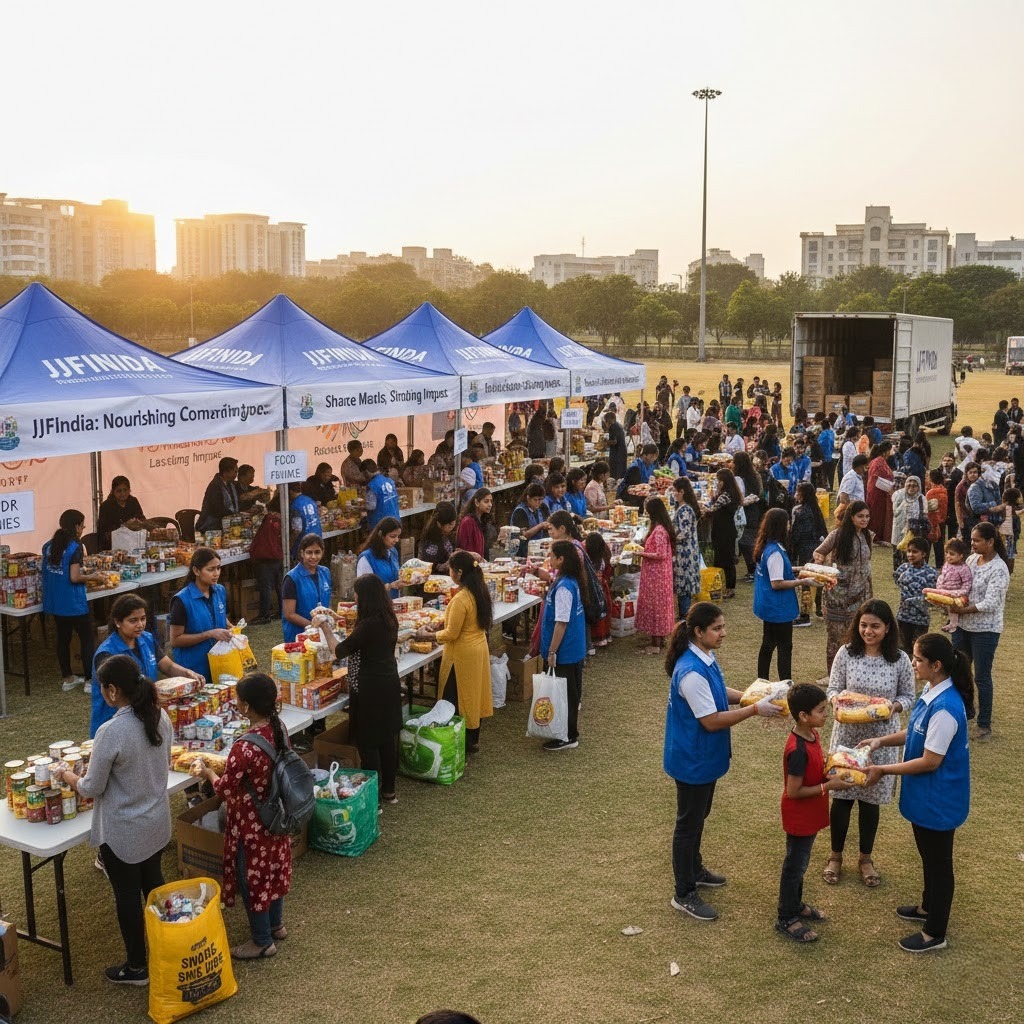
The simplest way to turn everyday compassion into real nourishment for families facing food insecurity is to actively contribute to food donation drives. When communities act together, shared meals become shared hope, and small actions add up to lasting impact. Choosing to donate to food drives helps ensure surplus food reaches people who need it most while reducing waste. Individuals, colleges, housing societies, and offices can all take part with minimal effort and clear purpose. At the heart of organized volunteering is JJFIndia, which bridges the gap between NGOs needing volunteers and individuals seeking meaningful opportunities.
Table of Contents
Why Food Donation Efforts Matter for Communities
When people contribute to food donation drives, they support dignity as much as nutrition. Access to regular meals improves health outcomes, school attendance for children, and emotional well-being for families. Community-led efforts also build trust between donors, volunteers, and local partners.
Choosing well-being over food drives encourages responsible sharing of resources. It channels generosity into structured action so food reaches verified locations efficiently. Over time, this habit strengthens local resilience and inspires more people to step forward.
Simple Ways Individuals Can Support and Donate to Food Drives
There are many practical ways to get involved without overcomplicating the process. You can start by collecting non-perishable items at home, coordinating with neighbors, or volunteering time for sorting and distribution. Even awareness efforts help more people participate consistently. Organizing small community drives, sharing updates on social media, and encouraging local schools or workplaces to participate can multiply the impact and reach of every initiative, ensuring more families benefit from available resources.
Through JJFIndia, volunteers discover clearly defined tasks that match their availability and interests. This clarity helps first-time volunteers feel confident while ensuring NGOs receive timely support. Volunteers can also track their contributions, earn recognition points, and connect with others in the community, creating motivation, accountability, and a stronger sense of purpose throughout every activity.
How organized volunteering improves food donation outcomes
Structure makes generosity effective. Organized volunteering ensures food safety checks, proper storage, and timely delivery. When people participate through coordinated efforts, wastage drops and accountability improves, creating consistent, reliable support systems for communities in need across India.
JJFIndia supports this structure by enabling volunteers to apply for tasks, track their impact, and contribute meaningfully. As more people donate to food drives within a coordinated framework, communities experience reliable, repeatable support cycles that strengthen local resilience and trust.
Benefits for Volunteers Involved in Food Donation Efforts
Volunteering offers personal growth alongside social impact. Those who contribute to food donation drives gain teamwork and leadership exposure and develop a deeper understanding of community needs and challenges.
Recognition through points, badges, and certificates adds motivation, a sense of accomplishment, and pride, encouraging volunteers to remain committed consistently over time. Many volunteers also find that donating their time encourages them to donate to food drives financially or through supplies, creating dual engagement that multiplies overall social impact effectively.
10 Pro Tips to contribute to food donation drives effectively
- Plan collections based on local demand so food reaches the right people without creating unnecessary excess or shortages.
- Focus on nutritious, long-shelf-life food items to ensure safe storage, easy transport, and better health outcomes for recipients.
- Label and sort donated items properly before handover to reduce confusion and speed up distribution at collection centers.
- Coordinate volunteer schedules in advance so everyone arrives on time and food distribution runs smoothly without delays.
- Encourage friends, family, and neighbors to donate to food drives together, creating a shared sense of purpose and community impact.
- Follow hygiene and safety guidelines carefully during handling, packing, and distribution to protect both volunteers and beneficiaries.
- Use clear and simple communication to explain food needs, deadlines, and collection details to all participants.
- Track contributions regularly to understand donation patterns, improve planning, and make future food drives more effective.
- Share outcomes and success stories to inspire others and build long-term community involvement.
- Stay consistent by volunteering regularly through JJFIndia to create reliable support systems and lasting impact across communities.
FAQs
Why is coordination important in food donation efforts?
Coordination reduces duplication and prevents waste through structured efforts supported by JJFIndia. It ensures food reaches the right places on time. Clear roles improve volunteer confidence. Organized systems increase overall effectiveness.
How can students and working professionals get involved?
Flexible tasks make participation possible despite busy schedules. Short shifts and weekend options help balance commitments. Team volunteering adds motivation and learning. Everyone can find a suitable way to help.
How can I contribute to food donation drives without much time?
You can help by donating packaged food items or supporting short-duration tasks. Many roles require only a few hours on specific days. Consistent small efforts create dependable support systems. This approach keeps volunteering manageable and meaningful.
What type of food is most useful for donations?
Non-perishable and nutritious items are generally preferred when people donate to food drives. These foods store well and are easy to distribute safely. Checking local needs helps avoid mismatches. Quality and safety should always come first.
How does volunteering build long-term community impact?
Regular participation builds trust among volunteers and NGOs. It creates predictable support for families in need. Over time, communities become more self-reliant. Shared responsibility strengthens social bonds.
Conclusion
Choosing to contribute to food donation drives transforms compassion into practical action that feeds families and strengthens communities. By choosing organized volunteering, individuals reduce waste, support dignity, and build lasting local resilience. With clear tasks, recognition, and nationwide reach, JJFIndia makes it easier to serve consistently and meaningfully while expanding the impact of collective generosity across India.
