



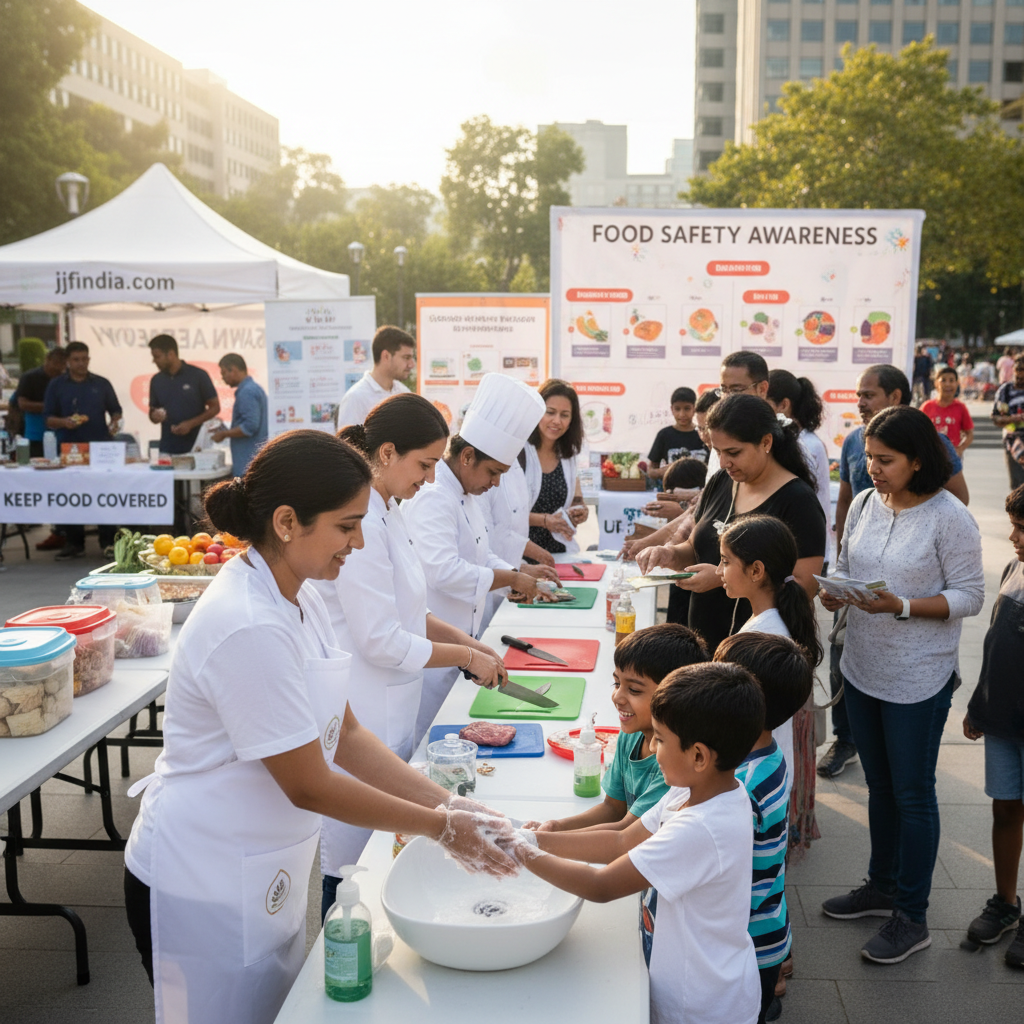
The food safety awareness foundation is the backbone of building a healthier society where everyone has access to safe, hygienic, and nutritious food. It ensures that people understand the risks of unsafe food and teaches preventive measures to avoid contamination. When combined with food hygiene awareness, it creates a strong shield that protects families, schools, and communities from foodborne diseases. JJFIndia are actively guiding individuals and groups to contribute to this mission and make a lasting impact.
Table of Contents
How Can Food Safety Improve Healthy Living?
The focus is on spreading knowledge about safe handling, storage, and preparation of food. It not only saves lives but also builds a culture of responsibility in kitchens, restaurants, and food industries. With proper food hygiene awareness, people can prevent illness, improve nutrition quality, and strengthen public trust in food systems.
Key reasons why it matters:
- It educates communities about the risks of unsafe food practices.
- It reduces foodborne illnesses.
- It builds habits of cleanliness and responsibility.
- It encourages institutions like schools and hospitals to adopt strict hygiene practices.
- It inspires volunteers through JJFIndia to contribute meaningfully.
Role of Food Safety Awareness Foundation in Daily Life
It plays an important role in shaping daily habits. From washing hands before cooking to storing food at correct temperatures, these practices define whether our meals are safe. Families can adopt simple routines that ensure long-term health.
For example, families can wash fruits and vegetables properly, cook food at safe temperatures, avoid cross-contamination by using separate cutting boards, and educate children early about healthy food habits.
Volunteering opportunities on JJF INDIA connect people with real initiatives that spread these practices.
How Food Hygiene Awareness Supports Safety
While the focus is on overall policies and campaigns, it addresses individual responsibility. It is about what every person does at home, in school kitchens, or at food stalls. Without proper hygiene, even fresh and nutritious food can become unsafe.
Key points include:
- Keeping cooking spaces clean.
- Using safe drinking water.
- Washing hands before and after food preparation.
- Covering and storing leftovers properly.
- Teaching workers in food businesses safe handling methods.
Through JJFIndia, volunteers get access to structured programs where they can spread these lessons effectively.
Building Strong Communities
The food safety awareness foundation is not just about individual learning. It is about building a movement where entire communities adopt safe practices. Schools, NGOs, and local groups working through JJF India spread structured awareness campaigns.
Community-level benefits include:
- Collective reduction in foodborne diseases.
- Safer food markets and street vendors.
- Confidence in public health systems.
- Involvement of youth in health-oriented volunteering.
When promoted alongside, communities see visible improvements in health outcomes.
10 Pro Tips to Strengthen Food Safety Awareness Foundation
1. Wash Hands Regularly
Always wash hands with soap before handling food. Dirty hands carry bacteria that can spread to meals and cause foodborne illnesses. This small step strengthens habits at home and in public kitchens. Encourage children and workers to adopt this habit daily for healthier, safer meals.
2. Separate Raw and Cooked Food
Never use the same utensils for raw and cooked meals. Mixing them can transfer harmful germs from raw meat or vegetables to ready-to-eat dishes. Always use separate knives and boards to maintain cleanliness and prevent contamination.
3. Cook Thoroughly
Undercooked food often contains harmful germs that can cause illness. Cooking at safe temperatures kills bacteria and ensures healthy meals. Always check that meat, eggs, or seafood are fully cooked to protect everyone from unnecessary health risks.
4. Store at Safe Temperatures
Perishable food should be kept at the right temperature, preferably in a refrigerator. If food is left outside too long, bacteria multiply quickly. Proper storage is a key step to prevent foodborne illnesses, reduce waste, and ensure meals stay fresh and healthy.
5. Keep Surfaces Clean
Kitchen counters, cutting boards, and utensils must be cleaned after every use. Germs can survive on dirty surfaces and contaminate food later. Creating a tidy cooking environment at home and in institutions builds a safe space where healthy meals can be prepared confidently.
6. Educate Children Early
Teaching kids about safe food habits builds lifelong responsibility. Encourage them to wash fruits, cover leftovers, and eat only freshly cooked food. Early education helps children grow up practicing safety naturally. Simple lessons today can create healthier families and stronger communities tomorrow.
7. Volunteer for Awareness Campaigns
Join programs through JJFIndia and take part in awareness campaigns. Volunteering spreads important knowledge about safe food handling in schools, neighborhoods, and workplaces. Supporting awareness while also promoting food hygiene awareness makes a real impact. Every volunteer helps create healthier environments for communities everywhere.
8. Use Safe Water
Always use clean, filtered, or boiled water for cooking and drinking. Contaminated water can turn healthy meals into unsafe ones. By spreading this message, individuals contribute to reducing illnesses and improving nutrition quality in both rural and urban areas.
9. Cover Food Properly
Always keep food covered with lids or wraps to prevent dust, insects, and pollutants from entering. Open food quickly becomes unsafe, especially in warm weather. This habit is a basic but vital step to maintain food safety and to protect every family’s health.
10. Avoid Reusing Expired Items
Expired food is unsafe to eat and can cause serious illness. Always check labels and expiry dates before cooking or serving. Safety practices remind everyone to respect expiry dates and avoid unnecessary health risks in daily life.
FAQs
1. What is the main goal of the Food Safety Awareness Foundation?
The main goal is to spread knowledge about safe food handling and reduce foodborne diseases. It organises awareness campaigns, supports community training, and teaches correct food practices. Through JJFIndia, people get opportunities to volunteer and actively contribute to building healthier communities.
2. How can I practice food hygiene in my kitchen?
Practicing food hygiene starts with simple daily habits. Wash hands, clean surfaces, cook thoroughly, and store leftovers properly. Use safe water for cooking and drinking. By maintaining these routines, your kitchen becomes healthier, meals are safer, and your family enjoys long-term protection against foodborne infections and preventable illnesses.
3. Why is clean water important in food preparation?
Clean water is essential for food safety because it prevents contamination during washing, cooking, and drinking. Unsafe water can carry bacteria and viruses that turn healthy meals into harmful ones. Always use filtered or boiled water to reduce the risk of foodborne illnesses and keep your family safe and healthy.
4. How can schools benefit from hygiene practices?
Schools can benefit by creating cleaner, healthier environments for students. Introducing food hygiene awareness means kitchens are safe, water is clean, and meals are handled properly. Teaching children about hygiene early helps them develop responsible habits that protect their health and also inspire healthier families in the long run.
5. Can volunteering help spread awareness about food safety?
Yes, volunteering through JJF India is a powerful way to spread awareness. Volunteers join campaigns, workshops, and local initiatives that teach communities about safe food handling. By contributing their time, individuals help create lasting changes, reduce illness risks, and encourage healthier lifestyles across neighborhoods and schools everywhere.
Conclusion
The Food Safety Awareness Foundation builds a safer, healthier society by teaching communities the importance of proper food practices. When applied in daily life, it reduces illness, promotes nutrition, and creates sustainable healthy habits. JJFIndia makes it possible for individuals to volunteer and spread these life-saving messages. By following simple tips, joining campaigns, and teaching others, we can all play a role in ensuring safe meals for every family.
