



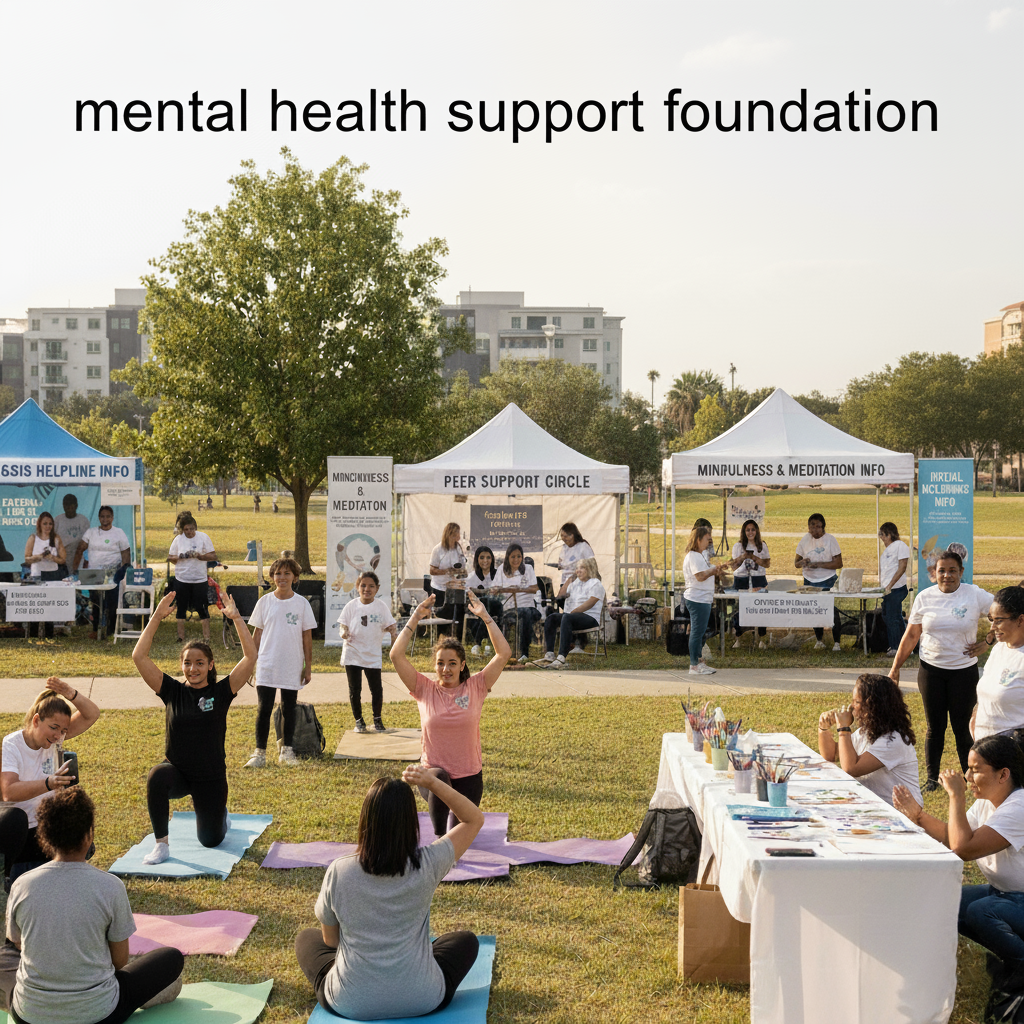
Mental Health Support Foundation is often the first line of hope for many seeking strength, support, and understanding. In a world where mental health issues quietly affect millions, a dedicated organisation like this can spearhead real change. In this blog we explore how a support foundation can design, launch, and sustain meaningful mental wellness initiatives to uplift lives. Learn more at JJFIndia.
Table of Contents
What Is a Mental Health Support Foundation?
A support foundation is an organisation, usually non-profit or mission-driven, whose central goal is to support individuals facing psychological, emotional, or psychiatric challenges. Such foundations often provide counseling, peer support, crisis helplines, awareness campaigns, training, and resource referrals. They may also partner with hospitals, community groups, educators, and government bodies to extend their reach.
At JJF India, for instance, the organisation works in areas around social welfare and mental health support as a core mission. At JJF India, for instance, the organisation works in areas around social welfare and mental health support as a core mission. Their ‘Mind Unload’ initiative offers stress-relief tools and relaxation techniques.
Why Do Mental Wellness Initiatives Matter?
Mental efforts are structured efforts to improve psychological health and emotional resilience in populations. When led by a foundation, these efforts:
- Reduce stigma around seeking help
- Build awareness of mental health issues
- Provide early intervention and prevention
- Improve access to counseling, support groups, crisis response
- Strengthen community networks
- Promote overall well-being, productivity, and social harmony
Key Pillars of Effective Mental Wellness Programs
Implementing successful mental wellness initiatives under the umbrella of a foundation involves focusing on these pillars:
- Awareness & Education
Host workshops, webinars, school programs, and public campaigns to teach what mental health means, warning signs, and how to seek help. - Peer Support & Community
Enable peer groups, buddy systems, and safe spaces for sharing lived experience. - Professional Services & Referrals
Connect people to trained counselors, psychologists, psychiatrists, and clinical support when needed. - Crisis Response & Helplines
Maintain hotlines or rapid response networks for those in acute distress. - Training & Capacity Building
Train volunteers, teachers, HR staff, and community leaders in mental health literacy and first aid. - Outreach & Access
Extend services into rural or underserved areas, mobile support, and online tools. - Monitoring & Evaluation
Collect feedback, track outcomes (reduced anxiety, increased resilience), and iterate. - Policy & Advocacy
Advocate for mental health in public policy, insurance coverage, and workplace rights. - Sustainability & Funding
Ensure consistent funding, partnerships, and donor engagement. - Holistic Wellness
Integrate physical health, social support, mindfulness, and stress management.
10 Pro Tips for Running Mental Health Support Foundation
1. Start Small, Validate Locally
Begin with a single workshop or support group in one community instead of going too broad. Collect honest feedback, track participation, and note challenges. A pilot run ensures you understand real needs before scaling up.
2. Use Lived Experience Leadership
involving people who have experienced mental health struggles can add credibility and empathy. Their perspective makes programs relatable and trustworthy. Peer mentors share stories, encourage participants, and break stigma. When lived experience guides planning, a foundation’s work becomes more authentic and effective in addressing people’s real concerns.
3. Leverage Digital Tools
Use accessible technology like WhatsApp groups, video counseling, mobile apps, and webinars to reach people where they are. Digital outreach is especially useful in rural or underserved areas. Online support is cost-effective and scalable and allows participants to join comfortably from home while receiving real-time guidance and community connection.
4. Partner Widely
Collaboration expands resources and credibility. Work with schools, companies, hospitals, NGOs, and local governments to reach wider audiences. Partnerships also help secure funding, venues, and volunteers. A diverse set of partners ensures mental wellness initiatives integrate across sectors, making programs sustainable, community-driven, and impactful for different population groups.
5. Train Non-professionals
Not everyone has access to mental health specialists. By training teachers, HR managers, and community leaders in basic mental health first aid, a foundation equips everyday people to recognise warning signs and respond quickly. This grassroots skill building creates a safety net, ensuring help is accessible at multiple levels.
6. Embed Wellness in Daily Life
Wellness should not be limited to events or campaigns. Introduce small, daily practices like mindfulness breaks, breathing exercises, or journaling in workplaces and schools. Make mental health tools part of regular routines.
7. Offer Tiered Support
Different people need different levels of care. Provide basic resources such as self-help guides and group circles, but also maintain referral pathways for professional counseling. A layered approach ensures resources are not overstretched, yet serious cases get the specialised support they need.
8. Monitor Outcomes
Track the progress of initiatives using surveys, attendance records, and feedback interviews. Monitoring helps identify what works well and what needs improvement. For example, measuring stress reduction or engagement levels gives real insight. By consistently evaluating results, a foundation ensures programs remain relevant, effective, and worth continued investment.
9. Sustain Engagement
Momentum can fade after initial enthusiasm. Keep participants connected through regular newsletters, support group reunions, or themed wellness events. Refreshing activities ensure continued interest. Alumni groups also help provide mentorship to newcomers.
10. Advocate & Fundraise Transparently
Share program results openly with supporters and donors. Use stories, statistics, and testimonials to highlight impact. Transparency builds trust, which attracts long-term funding and partnerships.
FAQs
Q1: What does a mental health support foundation do day to day?
A foundation manages many activities daily, such as organising workshops, running support groups, and operating helplines. It also provides referrals to professional care, coordinates volunteers, and leads awareness drives. By balancing advocacy and service delivery, the foundation works consistently to promote mental health across communities.
Q2: How can I join a mental wellness initiative in my area?
Joining is often simple. You can check with local NGOs, schools, or community centers to see what programs exist. JJFIndia lists events and initiatives online. Many programs welcome volunteers, participants, or mentors, so anyone interested can easily find a role to contribute to mental wellness.
Q3: Are these efforts only for people with a diagnosed condition?
Absolutely not. Mental wellness initiatives are designed for everyone, regardless of diagnosis. They focus on prevention, awareness, stress management, and resilience building. These programs aim to create healthy environments where individuals can thrive emotionally and socially, reducing the risk of future illness while promoting overall community well-being.
Q4: How are these efforts funded sustainably?
Funding comes from multiple sources such as government programs, private donors, grants, and CSR projects. Some initiatives also raise funds through events or workshops. To keep programs sustainable, foundations must track outcomes, maintain transparency, and share impact stories. Building strong relationships with partners helps secure long-term financial support.
Q5: Can a small community start its own mental wellness initiative?
Yes, small communities can start initiatives with minimal resources. Begin by hosting small awareness meetings, peer support groups, or workshops led by volunteers. Over time, partnerships with larger organisations or foundations provide more structure and resources. Local ownership builds stronger engagement and creates sustainable, grassroots-based mental health initiatives.
Conclusion
A mental health support foundation plays a vital role in creating awareness, offering guidance, and building supportive communities. By implementing structured programs, it helps people manage stress, break stigma, and access timely support. With partnerships, transparency, and sustained engagement, such programs become long-lasting. Communities benefit through improved well-being, resilience, and hope. To learn more and support impactful initiatives, visit JJFIndia.
