


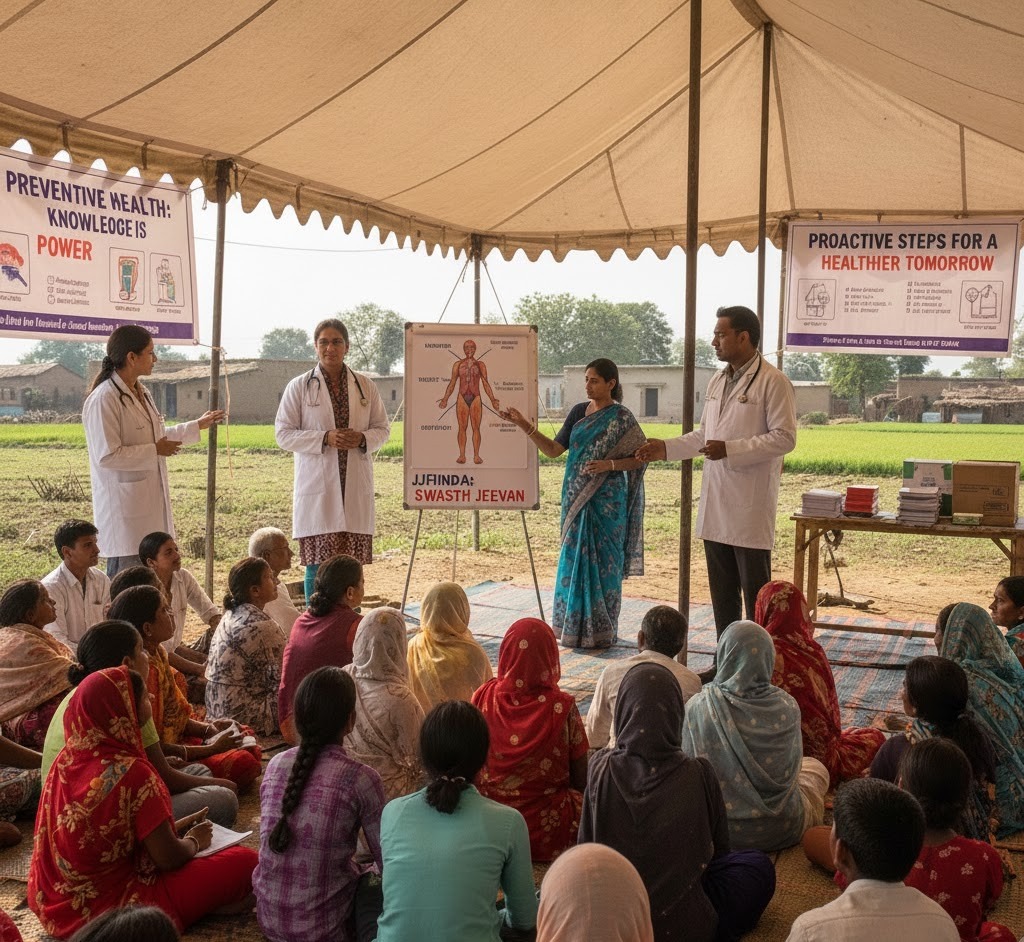
Preventive health education is a vital step toward creating healthier communities by promoting knowledge and action before diseases occur. At JJFIndia, efforts focus on spreading awareness about health risks and encouraging proactive measures that can significantly reduce preventable illnesses. Understanding and implementing preventive health strategies empowers individuals and communities to lead healthier lives.
Table of Contents
Understanding Preventive Health Education
These programs involve teaching individuals and communities about lifestyle choices, hygiene, nutrition, and early detection of diseases. By focusing on prevention rather than treatment, people are equipped to make informed decisions that lower their risk of chronic and infectious diseases.
Promoting awareness about health risks ensures that individuals understand the connection between behaviors, environment, and long-term health outcomes. This knowledge forms the foundation for a proactive approach toward wellness.
Importance of Health Awareness
Investing time in these programs helps communities recognize warning signs of diseases early, avoid harmful habits, and adopt healthier routines. For example, regular checkups, vaccinations, balanced diets, and physical activity are all practices emphasized through education programs.
Increasing awareness about health risks can also reduce the burden on healthcare systems. Educated communities experience fewer preventable illnesses, which results in lower treatment costs and improved quality of life.
Role of JJF India in Promoting Health Awareness
JJFIndia plays a key role in spreading preventive health education by organizing workshops, volunteer activities, and outreach programs. These initiatives focus on teaching practical steps for maintaining good health and preventing diseases before they become serious problems.
Through volunteering, individuals not only contribute to awareness about health risks but also develop essential life skills such as teamwork, leadership, and problem-solving. JJF India connects volunteers with communities that need support, creating meaningful experiences while promoting public health.
Common Health Risks and Prevention
Some of the most common health risks include heart disease, diabetes, obesity, and infectious diseases. Understanding these risks and implementing preventive measures is essential. Education on proper diet, regular exercise, hygiene, and mental health care can greatly reduce the likelihood of developing such conditions.
Programs organized by JJFIndia provide guidance on recognizing early symptoms and adopting preventive practices. This approach ensures that both individuals and families stay informed about potential threats to their well-being.
10 Pro Tips for Effective Preventive Health Education
- Schedule regular health checkups to detect issues early.
Regular health checkups help identify potential health problems before they become serious. By consulting doctors for routine screenings, blood tests, and examinations, individuals can act promptly to maintain long-term wellness and prevent diseases. - Encourage a balanced diet rich in fruits, vegetables, and whole grains.
A balanced diet provides essential nutrients, vitamins, and minerals needed for energy, immunity, and overall health. Including a variety of fruits, vegetables, and whole grains ensures the body receives adequate nourishment daily. - Promote daily physical activity for overall fitness and cardiovascular health.
Engaging in daily exercise, such as walking, jogging, or yoga, strengthens the heart, improves circulation, boosts energy, and supports mental well-being. Consistency in physical activity is key to long-term health benefits. - Ensure proper hygiene practices to prevent infections.
Good hygiene practices, including regular handwashing, oral care, and personal cleanliness, reduce the risk of infections and diseases. Teaching these habits at home and in communities promotes healthier, safer living environments. - Stay informed about vaccinations and immunization schedules.
Keeping up-to-date with vaccines protects individuals and communities from preventable diseases. Understanding immunization schedules, participating in vaccination drives, and encouraging others to vaccinate reduces outbreaks and improves overall public health. - Reduce stress through meditation, hobbies, or community involvement.
Managing stress is vital for mental and physical health. Activities like meditation, pursuing hobbies, volunteering, or joining community programs help lower stress levels, improve focus, and enhance emotional resilience over time. - Limit sugar, salt, and processed foods to reduce chronic disease risk.
Reducing consumption of sugar, salt, and processed foods helps prevent obesity, diabetes, hypertension, and heart disease. Preparing homemade meals with fresh ingredients supports healthier choices and better long-term outcomes. - Avoid tobacco, alcohol, and other harmful substances.
Abstaining from tobacco, excessive alcohol, and drugs protects the body from cancer, liver disease, and respiratory issues. Promoting awareness and offering support for quitting ensures safer, healthier lifestyles for individuals and families. - Educate children on healthy habits from an early age.
Teaching children proper nutrition, exercise, hygiene, and lifestyle choices early in life establishes lifelong healthy habits. Involving them in daily routines and leading by example ensures long-term adherence to wellness practices. - Participate in JJF India health programs to enhance community health understanding.
Joining JJFIndia initiatives allows individuals to contribute to public health education. By volunteering, attending workshops, and spreading awareness about health risks, communities gain knowledge and resources for healthier living.
FAQs
1. What is the importance of preventive health education?
Helping individuals understand potential health risks and adopt behaviors that reduce disease likelihood empowers communities to take action before problems occur, promoting long-term wellness. JJFIndia plays an important role in providing resources and guidance for effective preventive measures.
2. How can regular exercise impact overall health?
Regular exercise improves cardiovascular health, strengthens muscles, and boosts immunity. It also helps in maintaining a healthy weight and reducing stress. Incorporating at least 30 minutes of physical activity daily can prevent multiple chronic illnesses and improve mental well-being.
3. Why is nutrition important for a healthy lifestyle?
Proper nutrition provides essential vitamins and minerals needed for the body to function optimally. Balanced diets reduce the risk of obesity, diabetes, and heart disease. Eating a variety of whole foods ensures energy, immunity, and long-term health maintenance.
4. How does hygiene prevent infections?
Maintaining good hygiene, such as regular handwashing and sanitation, minimizes exposure to harmful bacteria and viruses. Clean environments and personal care routines significantly lower infection rates. Promoting awareness about health risks through hygiene practices is crucial, especially in schools and communities.
5. What role do vaccines play in disease prevention?
Vaccines strengthen the immune system to fight off infectious diseases. Staying updated with immunizations protects individuals and communities. Vaccination campaigns, like those supported by JJF India, play a critical role in controlling preventable diseases.
Conclusion
Preventive health education is essential for building healthier communities. By teaching people how to adopt safe habits, recognize early warning signs, and engage in proactive health practices, JJFIndia creates meaningful change. Volunteers and community members together can reduce preventable illnesses, improve quality of life, and promote a culture of wellness. Following practical tips, participating in outreach programs, and staying informed ensures that prevention remains a priority for everyone.
